
Hello readers, my name is Aubrey Banville. I am currently enrolled at STCC, aiming for a degree and career in Sonography. I currently work as a cardiology medical assistant at Baystate, and I have been a medical assistant for six years. I have chosen this career because I have a passion for transformative healthcare and caring for people who are ill. I chose STCC because of its excellent healthcare programs, supportive faculty, hands-on learning opportunities, and commitment to helping students succeed both inside and outside the classroom.
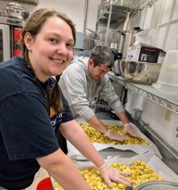
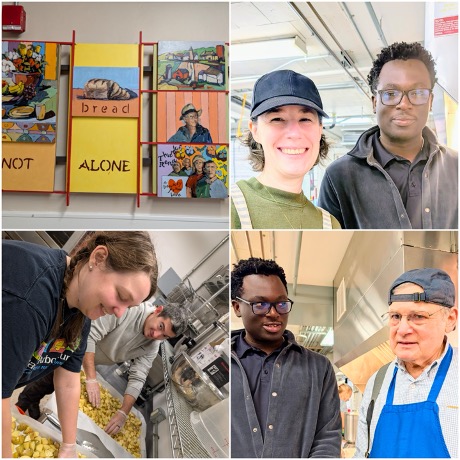
On November 7th, 2026, a group of students from the Phi Theta Kappa (PTK) Honor Society of STCC, along with students from surrounding colleges and community members, volunteered their time and efforts to prepare various meals at Not Bread Alone in Amherst, Massachusetts. This is a community meal program of the Center for Human Development that provides nutritious, home-cooked meals while creating a welcoming place where neighbors can connect and feel a sense of belonging. Its program supervisor, Bob Stover, is well known in the community for his efforts to bring people together through food and kindness.
I, among the STCC students, spent my morning volunteering and getting to know the frequent warmhearted supporters. Most of them know the weekly tasks like the back of their hands! As this was my first time, I wasn’t familiar with the kitchen and needed direction. With many tasks to delegate, everyone was busy as soon as the kitchen opened. We got started with meat and vegetables. I chopped and seasoned potatoes while everyone around me was zoned into their dishes. I saw roasted sweet potatoes, roasted mixed veggies, fresh salads, squash casserole, meatloaf, curried split pea soup, and many other dishes. The kitchen was giving off an amazing aroma.
As we were cooking, we were also cleaning our stations, as well as keeping up with hand hygiene. Bob instructed each person who came into the kitchen how to wash their hands. I appreciated the level of cleanliness and care going into the meals. Not to mention the time and love Bob had a recipe for most dishes that he seemed to have perfected. If anyone had a question, he was their go-to guy!
As I reflected on our experience, I began to see how this simple act of preparing food connected to our PTK Honors in Action project, One Health One Future. One Health recognizes that human health, animal health, and environmental health are interconnected. The vegetables we chopped came from the land, the ingredients we prepared depended on healthy agricultural and food systems, and the meals we prepared helped nourish people in our community.
This experience also made me think about food security. Having enough food is something many of us take for granted, but for some of our neighbors, access to a nutritious meal is not always guaranteed. Food security means having reliable access to safe, nutritious food that supports health and dignity. A warm, home-cooked meal can provide nourishment, comfort, and a sense of belonging. Watching everyone work together reminds me that addressing hunger is not simply about providing food; it is also about caring for people.
I also thought about the circular economy and its three important principles: eliminating waste and pollution, circulating products and materials, and regenerate nature. Instead of the usual “take, make, and throw away” approach, a circular food system aims to close the loop. Good, edible surplus food can be shared with people who need it rather than discarded. Inedible food scraps can be composted, returning nutrients to the soil to help grow more food. I learned that Not Bread Alone receives food donations from local grocery stores and other community sources. Every potato and vegetable we prepared represents land, water, energy, and human effort. When we value food and use resources wisely, we can help fight hunger while reducing waste and protecting the environment.
Something else stood out to me: the importance of food safety in protecting public health. Bob’s attention to handwashing, cleanliness, and careful preparation was more than good kitchen practice. It was an example of disease prevention in action. As someone working in healthcare, I especially appreciated this connection between preventing illness and caring for people. Perhaps the most meaningful part of the morning was seeing how food could bring people together. Students from different colleges, longtime volunteers, and community members were all working toward the same purpose. Every chopped vegetable, washed dish, and prepared meal mattered.
This was my first time volunteering at a community meal program, and I really enjoyed my time. The people and atmosphere were very inviting, and I left with a very “feel-good” sensation. I would encourage anyone to volunteer their time, as the team was very appreciative of our efforts even if I did ask a lot of questions. If you are hesitant or are feeling nervous, this crew at Not Bread Alone is very welcoming and would love to have the help. They accept volunteers on Wednesdays, Saturdays, and Sundays. Help out your fellow neighbors, join the community!
I came to Not Bread Alone thinking I was helping prepare a meal. I left understanding that we were contributing to something much bigger: food security, public health, environmental responsibility, and a stronger community. One meal may not end hunger, but it can nourish a person, strengthen a community, and remind us that a healthier future begins with caring for one another.