(Submitted by Alexander Kakembo, STCC student and Phi Theta Kappa member)
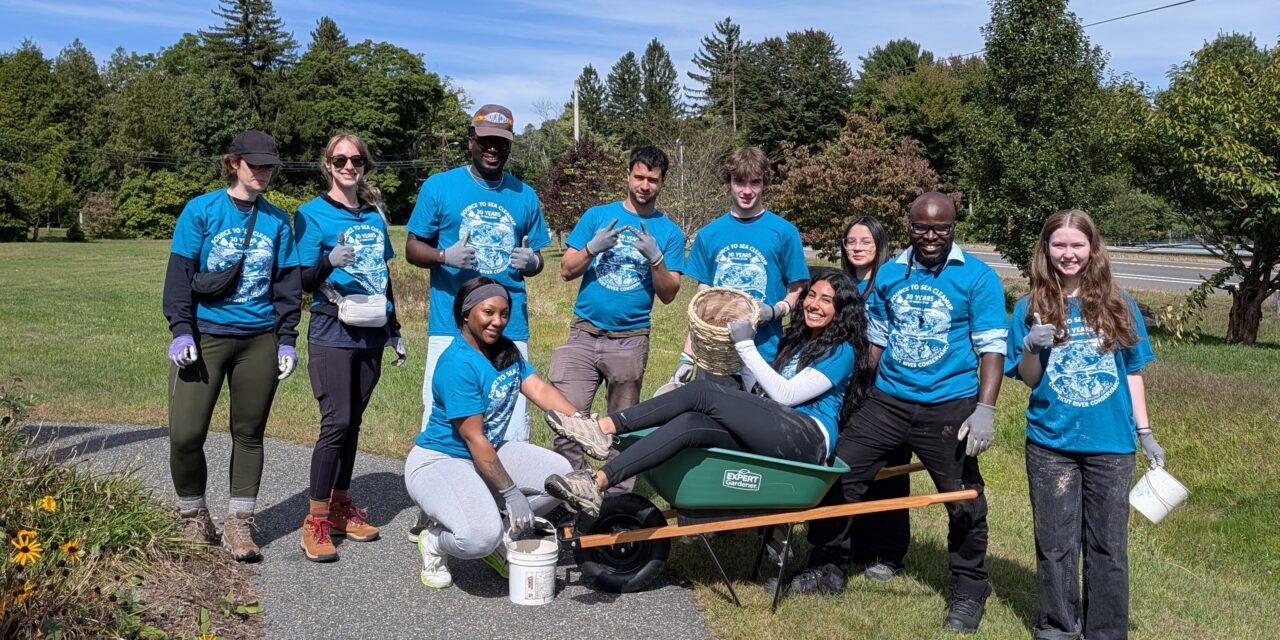
Recently, members of Phi Theta Kappa Honor Society volunteered at the Christ Community Church community garden on Old Amherst Road. Our team weeded the garden areas, pruned trees and plants, and applied composted manure around the trees in preparation for the fall season. By the end of our work, the garden looked cleaner and more welcoming for the church and surrounding community. This outreach activity helped us learn how to care for a garden while contributing to a healthier community environment.
This service also illustrates the scientific principle of One Health, which we are exploring: the health of people, animals, plants, and ecosystems is interconnected. Healthy vegetation and well-managed soil support biodiversity, water infiltration, erosion control, pollinators, and more resilient community spaces, linking environmental conservation directly to human well-being.
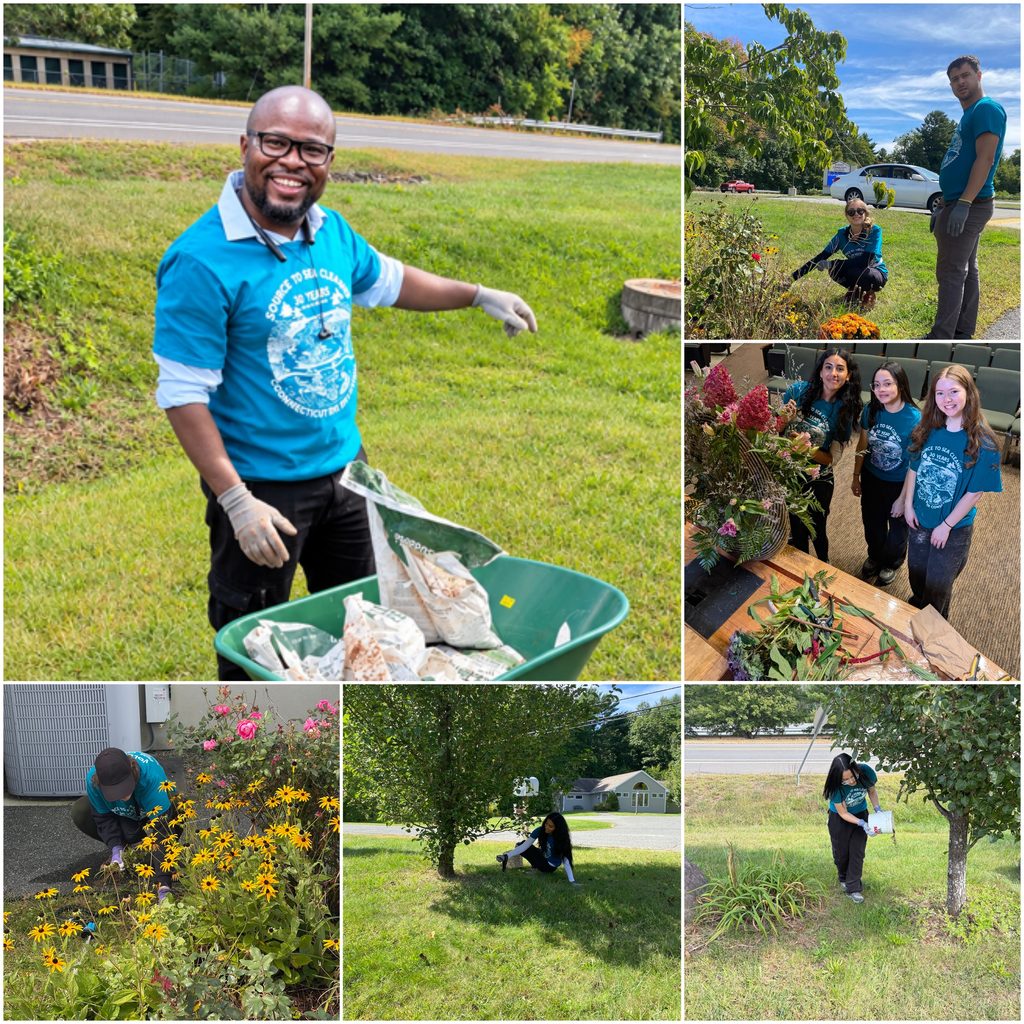
My name is Alexander M. Kakembo. I am a business transfer student at Springfield Technical Community College, originally from Kampala, Uganda, and I have now been living in the United States for nearly two years. I recently joined Phi Theta Kappa, and this was my first community outreach activity with the organization. This project was especially personal to me because I grew up around farming and previously owned a farm before relocating to the United States. Working in the garden brought back memories of caring for land, plants, and trees. Applying manure around the trees felt familiar and meaningful.
Because of my farming background, I took the lead in guiding my teammates in pruning and applying the manure properly around the trees. Sharing knowledge from my farming experience in Uganda with my new community in Springfield helped me see leadership in a new way. Leadership does not always mean standing in front of a group; sometimes it means sharing what you know and working beside others toward a common purpose.
There was also fascinating science behind this fall work. Many woody plants are already forming buds for next spring while their roots remain active in warm soil, storing nutrients before winter dormancy. Properly applied composted manure can enrich the soil and support microbial activity, helping prepare the garden for another season of growth.
For me, the most meaningful part of the day was seeing how a simple act of service can connect people to the environment and to one another. Caring for trees, flowers, and garden spaces helps create a welcoming place for the church and surrounding community. It also reminded me that teamwork, responsible use of resources, and caring for what has been entrusted to us are important in both business and community life.
Joining Phi Theta Kappa has shown me that we do not need grand gestures to make a difference. Sometimes, simply nourishing a tree so it can flourish is all it takes. As a new Phi Theta Kappa member, I am grateful that my first service experience allowed me to bring part of my farming background from Uganda into my life at STCC and use it to serve others.